
Shaqa’iq al-Nu‘man: The Art of Casting Beautiful Meanings
The ninth volume in Professor Hassan Yachou’s series Thus Life Taught Me, bringing together 501 concise reflections inspired by Revelation and the riches of Arabic on kind speech, spiritual refinement, and humane relationships.
Citation preview:
أكاديميأ.د. حَسَن يَشُو (2026). Shaqa’iq al-Nu‘man: The Art of Casting Beautiful Meanings. مكتبة الطالب / وجدة.. https://www.hassanyachou.org/en/books/كتاب-شقايق-النعمان-في-سبك-المعاني-الحسان
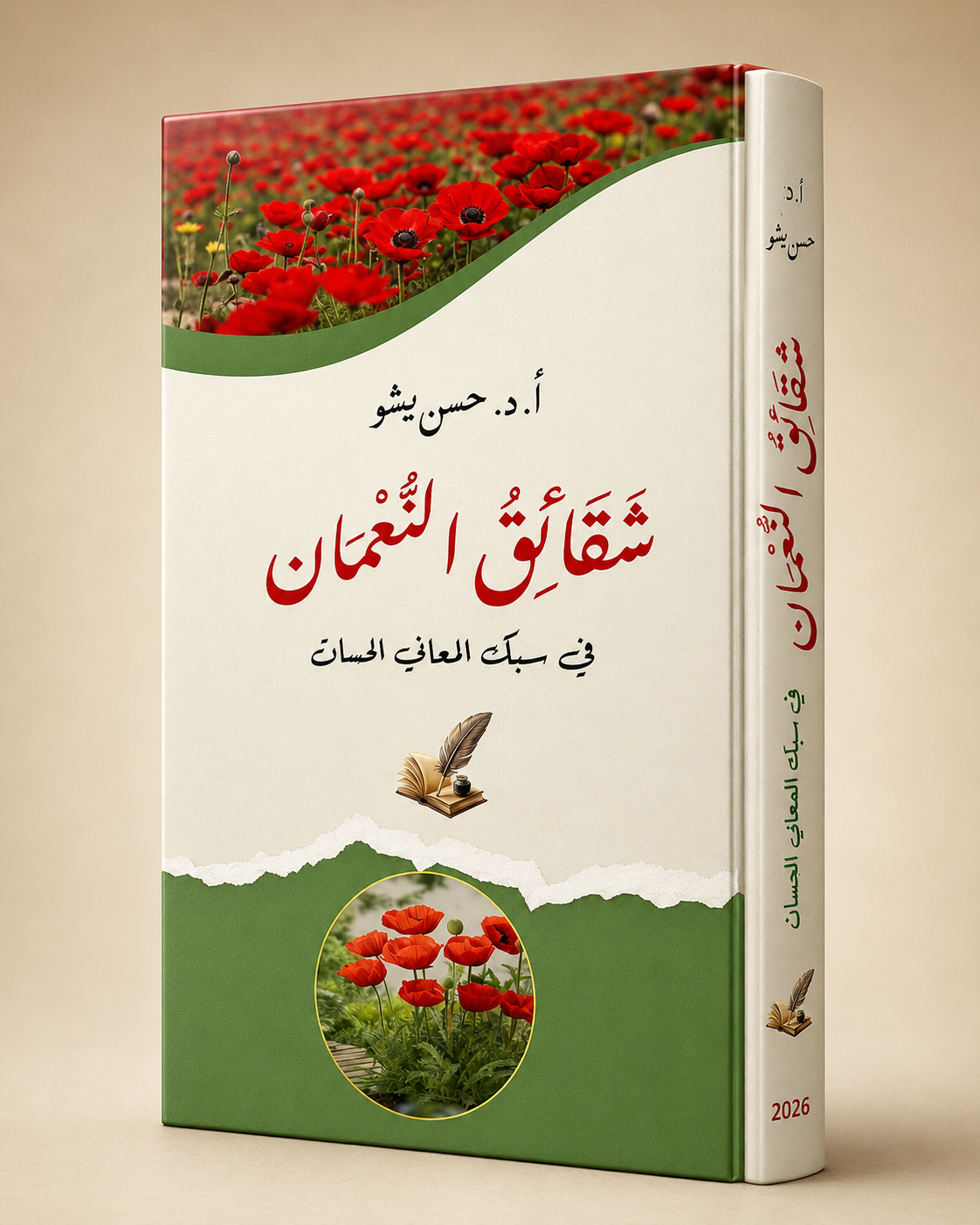
The book "Shaqa’iq al-Nu‘man: The Art of Casting Beautiful Meanings": intellectual and spiritual journey in the sanctuary of the word
In a time when the waves of materialism are crashing, and the eloquence of the phrase is hidden behind the noise of consumption, the ninth part of the series “This is How Life Taught Me” by Fadila Professor Hassan Yachou stands out, bearing a title that exudes the scent of originality: “Shaqa’iq al-Nu‘man: The Art of Casting Beautiful Meanings.” This booklet, published in 2026 AD (1448 AH), represents an intellectual and spiritual feast specially prepared to soak the seeker of knowledge and quench the thirst of those searching for deep meanings cast in precise linguistic templates.
The author starts from an authentic rhetorical rule: “starve words, and saturate them with meaning,” to present to the reader a summary of his experiences and reflections in 501 wisdoms and thoughts, formulated with great care to be “the best words that are few in letters, many in verse, and have an eloquent impact.”
First: The philosophy of naming and the niche of the good word
Choosing “Anemone” as a title was not absurd; Deep within ancient civilizations and authentic heritage, this flower symbolizes sincere love, sacrifice, purity, and comfort. The author wanted the meanings of his book to blossom in the mind and soul of the reader, just as these anemones do.
Professor Hassan Yachou prefaces his course with a valuable introduction about the “good word,” indicating that it is not just a passing behavior, but rather:
Worship and energy: It ascends to the sky to open its doors, and saves its owner from Hell, even if it is only half a date.
A bridge to hearts: A kind word is capable of transforming an enemy into a close friend, and it is the tool that God commanded Moses and Aaron to use in their speech to the most powerful tyrant on earth (Pharaoh).
Balm and healing: A kind word erases the sorrows of hearts, soothes thoughts, and gives positive energy that pushes a person towards success and optimism.
Second: Linguistic treasures that captivate the seeker of knowledge
One of the most enjoyable things included in this book are the linguistic pauses in which the author breaks down the subtle differences between synonyms, which reveal the genius of the language of the dād and the breadth of its concepts, including:
Accuracy of description: The author distinguishes between “sight” that is in the eye, and “insight” that resides in the heart. And between “blindness” in the eye, and “blindness” in the opinion.
Levels of feelings: The book reviews the progression of love, starting with “passion” (the first inclination of the soul), passing through “boyhood,” “love,” and “friendliness,” all the way to “infatuation” (madness in love).
Stages of sleep: The author delves into the stages of sleep among Arabs. From “sunnah” (the prelude to sleep), “sleepiness,” “tarnaq,” and “sleeping” (between sleep and wakefulness), all the way to “al-raqad” (long sleep).
Verbs of advent: Explains the semantic differences between verbs of movement; “He came” means coming from a nearby place, “he came” from a far away place, “I come” means he came willingly and enthusiastically, and “knock” means he came at night.
Names of times: A distinction is made between “early” (the beginning of the day), “Duha” (the rising of the sun), “afternoon” (the yellowing of the sun at sunset), and “twilight” (the redness after sunset).
Third: The jurisprudence of life and the purification of secrets
The book is not satisfied with the beauty of the building, but rather delves into the depth of the meaning, presenting the student of knowledge with golden rules in the jurisprudence of dealing with the Creator and the created:
Ascension of the Soul: The author confirms that “whoever fears something flees from it, and whoever fears God flees to it,” and that the truly happy person is the one who is with God.
Warning against the scourges of the age: The author issues a warning cry against “electronic religiosity” that deceives people into righteousness, calling for reform of conscience and sincerity of intention. It also draws a comparison between the “Iqraa generation,” which was raised on the prestige of teachers, love, and tolerance, and the current generation, which is immersed in triviality and smartphones.
Redressing thoughts: The booklet strongly warns against harming people, likening “breaking thoughts” to a medical error for which an apology is useless, because it depletes a person’s health and may shorten his lifespan through depression and anxiety.
Golden rules for the learner: The author states that knowledge is two things: “either authenticated transmission, or verified inference,” and anything other than that is nonsense. The library is “the temple of thought and the retreat of thinkers.”
Bottom line
The book "Shaqa’iq al-Nu‘man: The Art of Casting Beautiful Meanings" is a companion for the seeker of knowledge, a resting place for the thinker, and a sermon for the believer. It takes you on a journey that begins with refining the tongue, passes through the refinement of the conscience, and ends with the creation of a conscious human being who has mastered the art of living nobly, and who realizes that the lesson in this world is not only beginnings, but rather the perfection of endings, and that one of the greatest things a person leaves behind is a kind word and a beautiful impact.
Book questions
Book Certificate Quiz
Answer every question to earn a verified certificate with a unique serial number.
Related Books
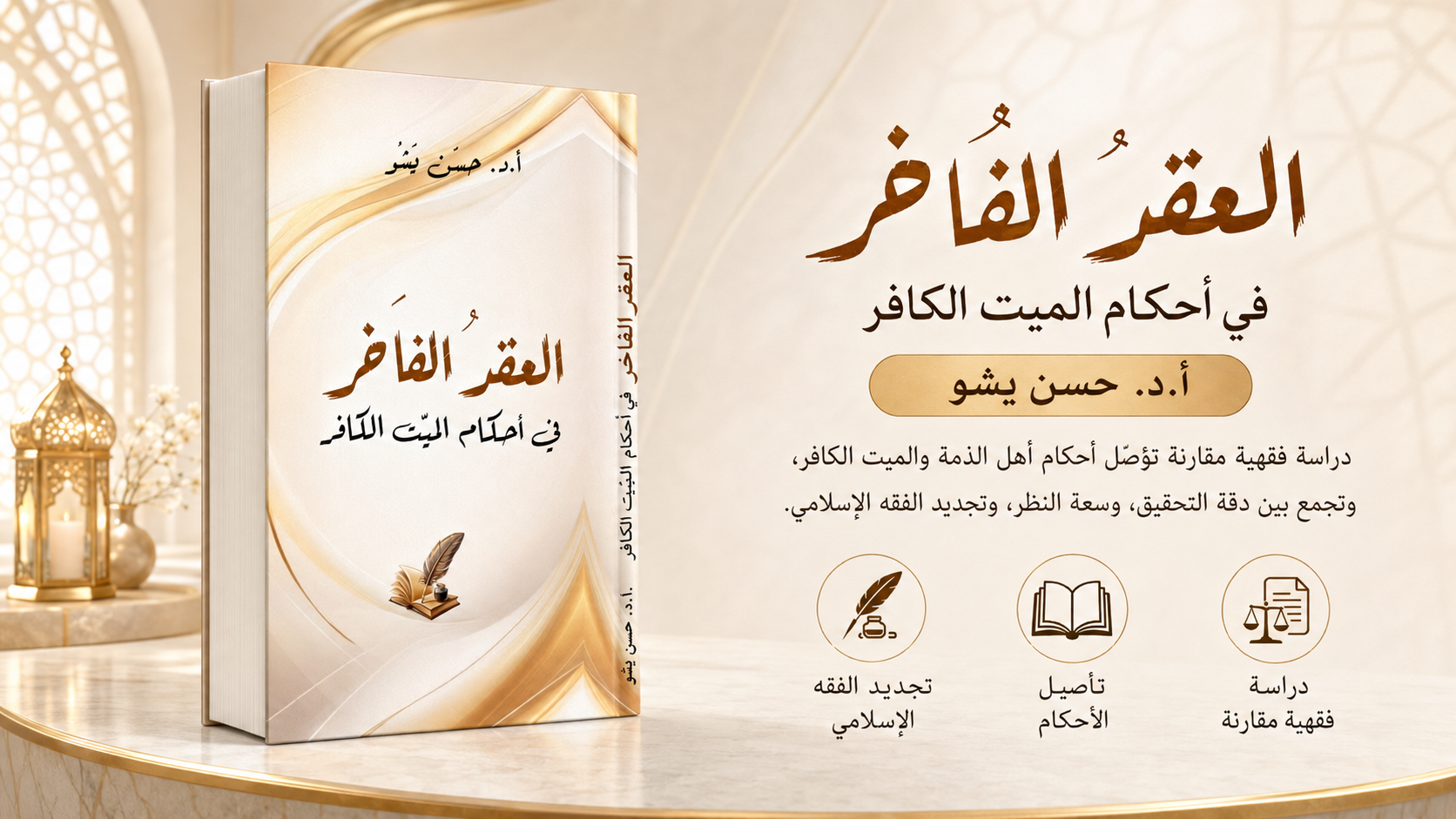
A comparative legal study of rulings concerning non-Muslims before death, during the final illness, and after death, covering visitation, funeral care, burial, condolences, bodily dignity, criminal liability, blood money, inheritance, and expiation across classical and contemporary contexts.
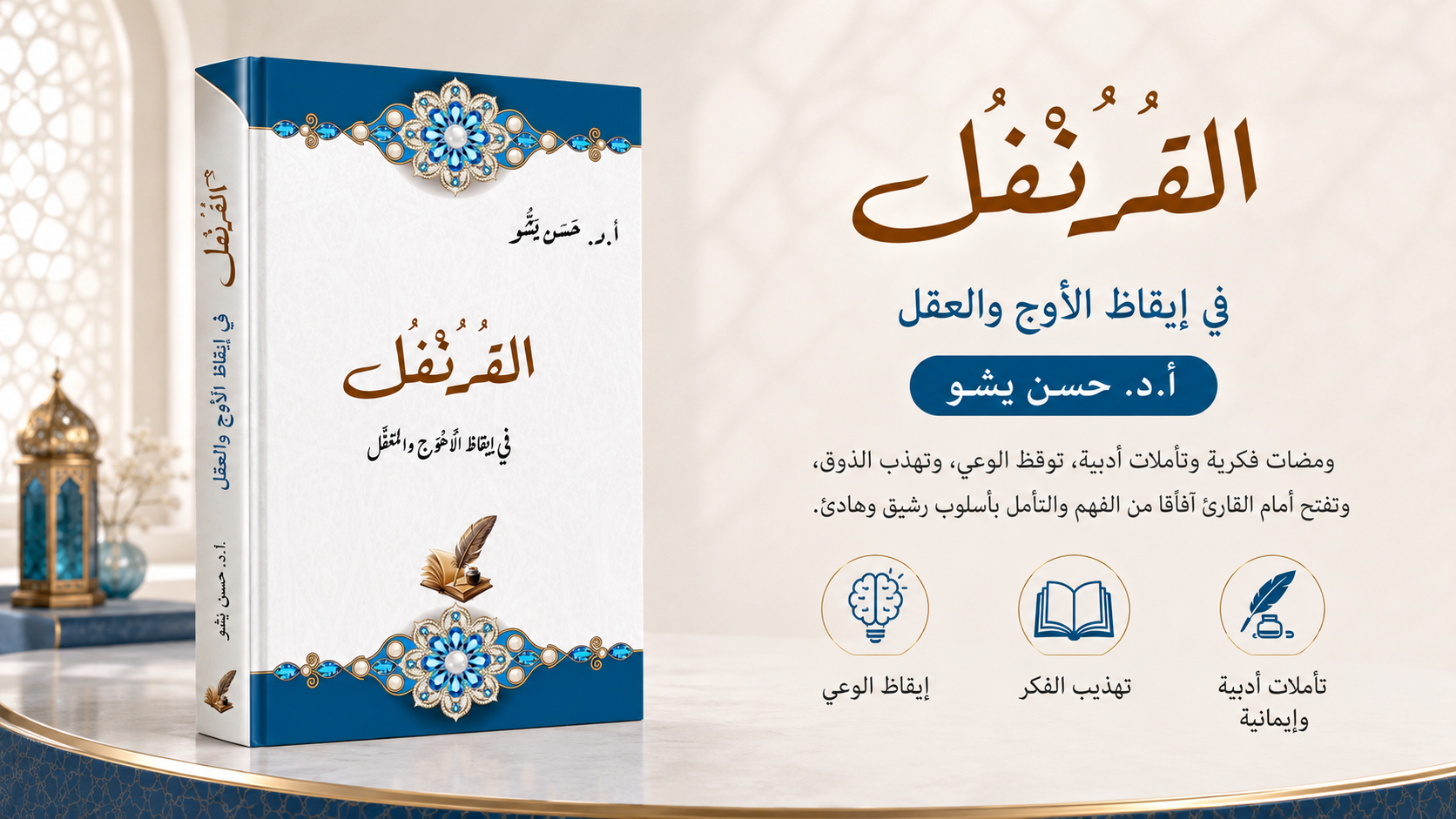
An educational collection of 500 numbered maxims drawn from experience and reflection on faith, character, relationships, trust, disappointment, patience, maturity, speech, self-respect, and the lessons of life, with the clove serving as a metaphor for cleansing the mind.
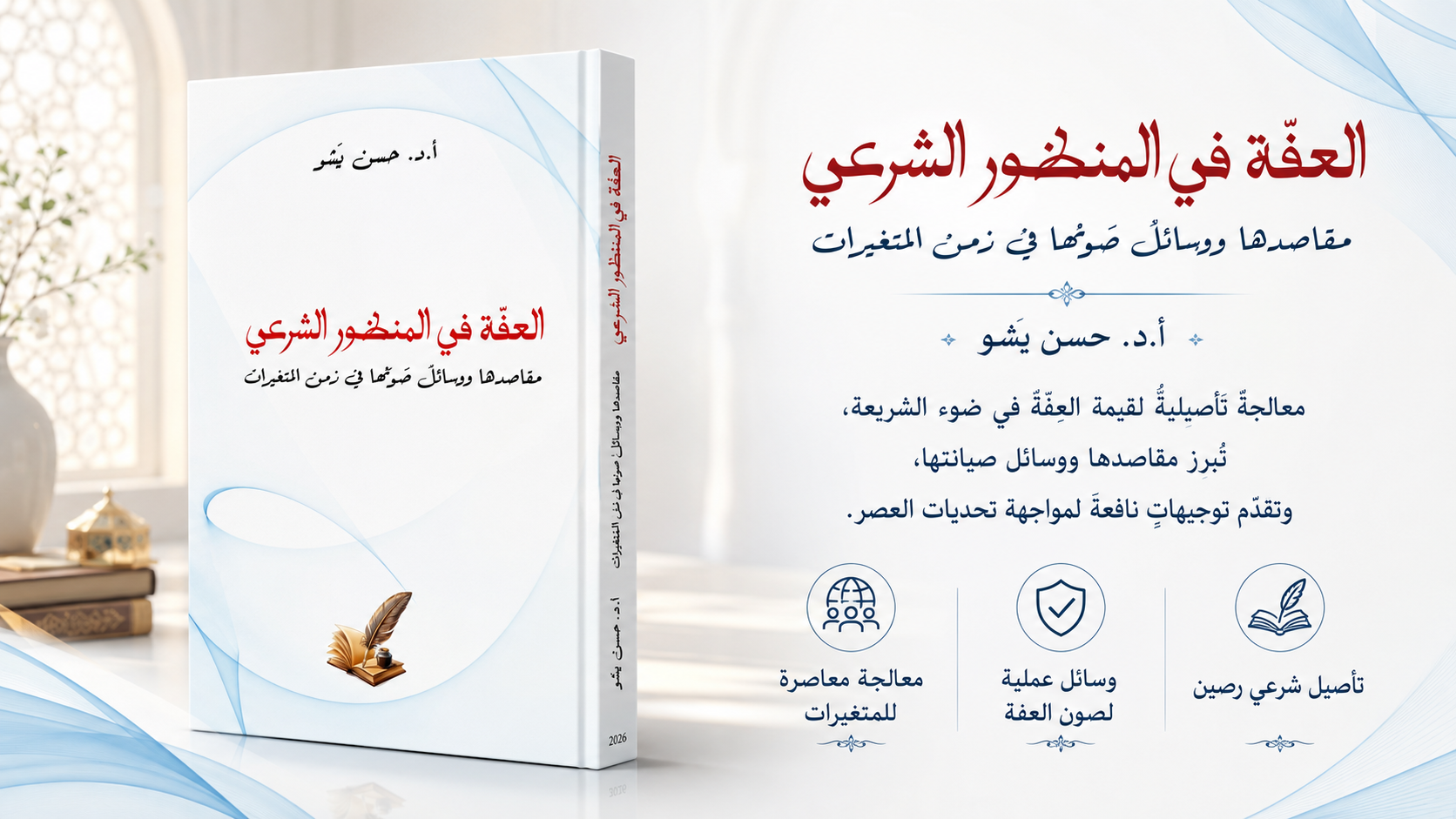
A foundational legal and educational study of chastity in the Qur’an, Prophetic Sunnah, and Islamic heritage, explaining its objectives and effects while offering practical means to preserve it amid contemporary social and media change.
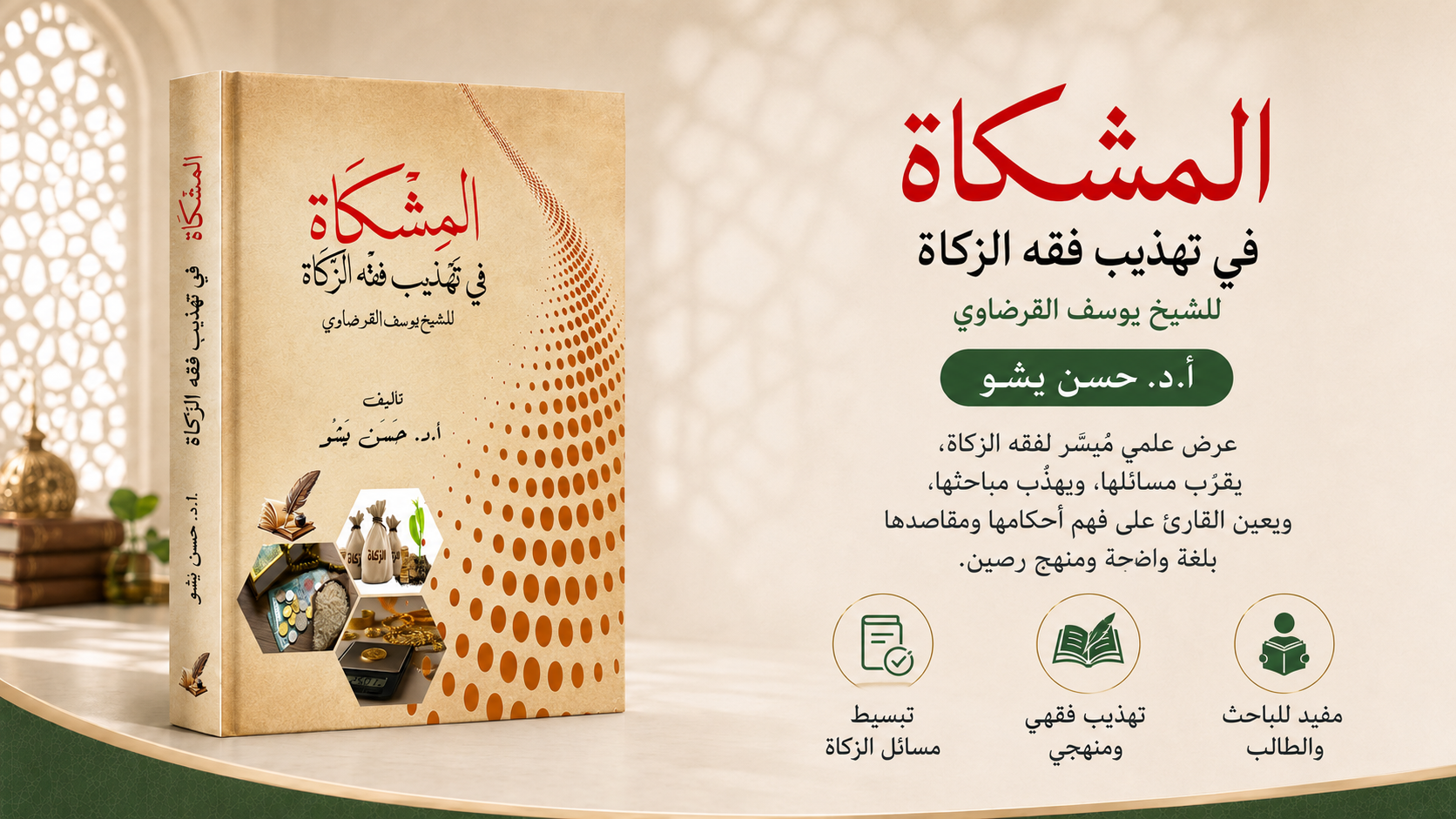
A rigorous and accessible refinement of Sheikh Yusuf al-Qaradawi’s landmark Fiqh al-Zakat, presenting its principal rulings, contemporary updates, legal objectives, modern measurements, and practical tables for students and researchers in Islamic economics.