The Critical Method: Features and Principles
A foundational account of critical method in the Islamic scholarly tradition as a tool of renewal and civilizational development, presenting its major forms and forty ethical and methodological principles for objective, constructive criticism.
Citation preview:
أكاديميحسن يشو (2026). The Critical Method: Features and Principles. https://www.hassanyachou.org/en/books/كتاب-المنهج-النقدي-معالم-وضوابط
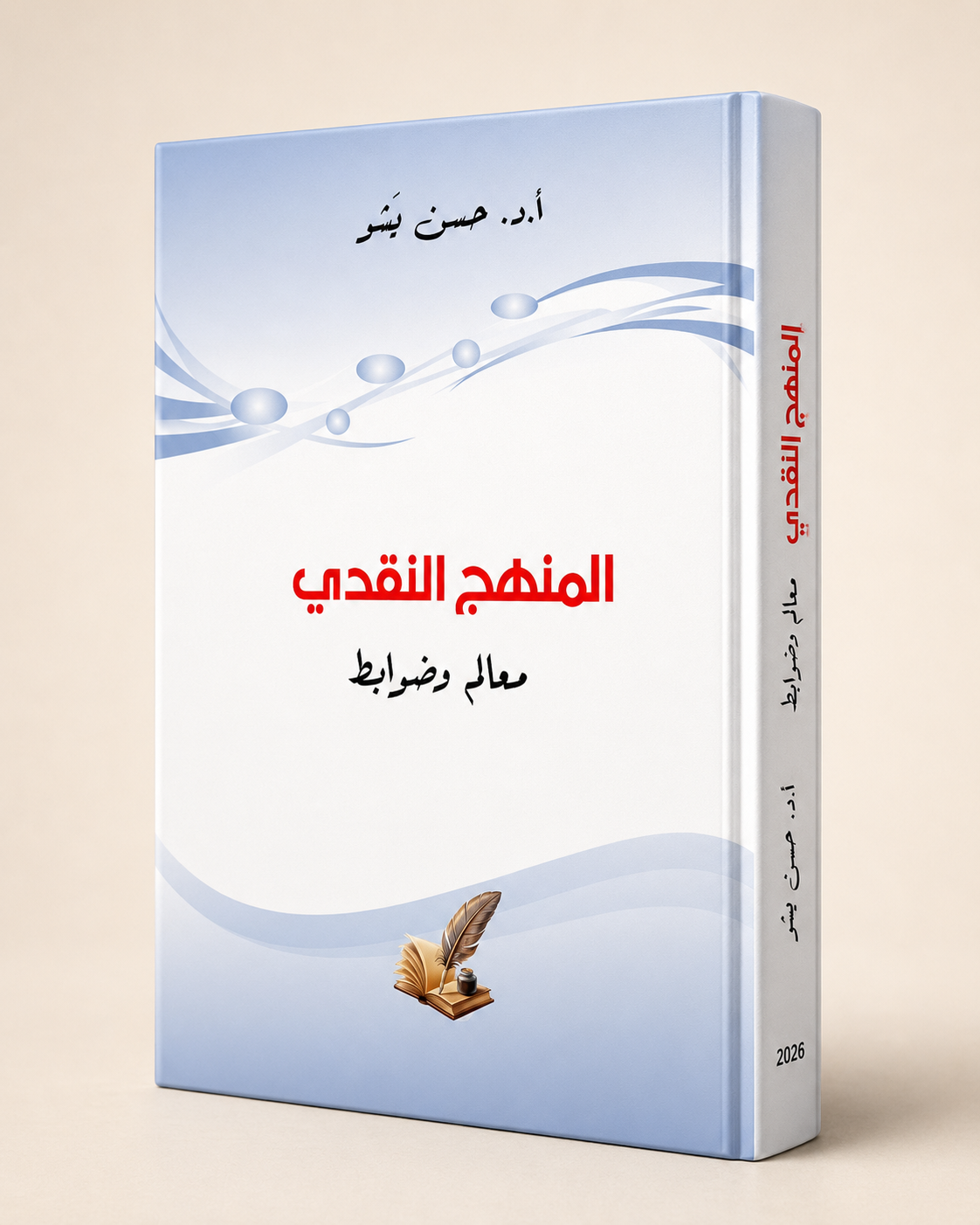
The book “The Critical Method: Features and Principles” by Professor Hassan Yachou represents a scientific document and a mandatory station for every student of knowledge looking for a solid methodological foundation. This valuable book, which emerged from an international symposium at the Faculty of Sharia at Sidi Muhammad Ben Abdullah University in Fez, is not satisfied with abstract theorizing, but rather delves into the historical and legal roots of the Islamic critical approach. The book aims to refute suspicions that accuse cultural and civilizational heritage of stagnation, proving with conclusive evidence that criticism was born and flourished with the beginning of the prophetic light, and has always been a basis for cultural diversity and civilizational construction.
The genius of the book is evident in its precise methodological division. In his first section, he establishes the definition of criticism, based on its linguistic significance represented in examining dirhams to distinguish what is true from what is false, to conclude that scientific criticism is examining the material in form and content, examining it with contemplation, and judging it. The author highlights the subtle differences between constructive criticism and terms that may be suspected but that destroy and do not build, such as hypocrisy, arrogance, and stubbornness. To confirm the comprehensiveness of this approach, he tours the student, reviewing the manifestations of criticism in various sciences, such as fundamentalist, hadith (narrative and knowledge), jurisprudential, historical, and literary criticism based on applying the skill of taste to evaluate the good and bad aspects.
The book reaches the peak of its scientific enjoyment in its second section, where Professor Hassan Yachou sets forty strict rules that constitute an ethical and scientific constitution for any researcher. These controls are organized to begin with dealing with the text and transmission, stressing that there is no criticism in the source of the text. The correct Qur’anic and Prophetic text is superior and unparalleled. It also stipulates that reason is the basis and servant of transmission, so there is no contradiction between the authenticity of what is transmitted and what is clear and reasonable, and that combining the parties of evidence takes precedence over preference because the principle in texts is that there is no contradiction.
The book does not neglect to establish criteria for eligibility and objectivity. He stipulates that criticism should be issued by its people who are well-established in knowledge, rejecting the dangerous chaos of criticism, and confirms that criticism is a branch of the concept of what is being criticized, so it is not valid without a complete understanding of it. Detachment is required by linking criticism to the method, not to its author, and keeping it free from passion, anger, and demonizing opponents, making its goal to reach the point of truth and improve what is being criticized, and not criticism for the sake of criticism.
This system is complemented by the ethics of the Muslim critic, which stipulates that criticism does not spoil the integrity of a cause, and does not sanctify or desecrate people. Infallibility is due to revelation and the consensus of the nation. The book makes the critic’s motto the saying of Imam al-Shafi’i: “My opinion is correct and may be wrong, and someone else’s opinion is wrong and may be correct,” emphasizing the rule “to criticize good or to withhold it.” At its conclusion, this travel will be a real workshop that will make the student of knowledge a critical mind free from stagnation, and will give him precise tools to scrutinize heritage and filter out pearls with a methodology that combines scientific precision and moral sublimity.
Book questions
Book Certificate Quiz
Answer every question to earn a verified certificate with a unique serial number.
Related Books
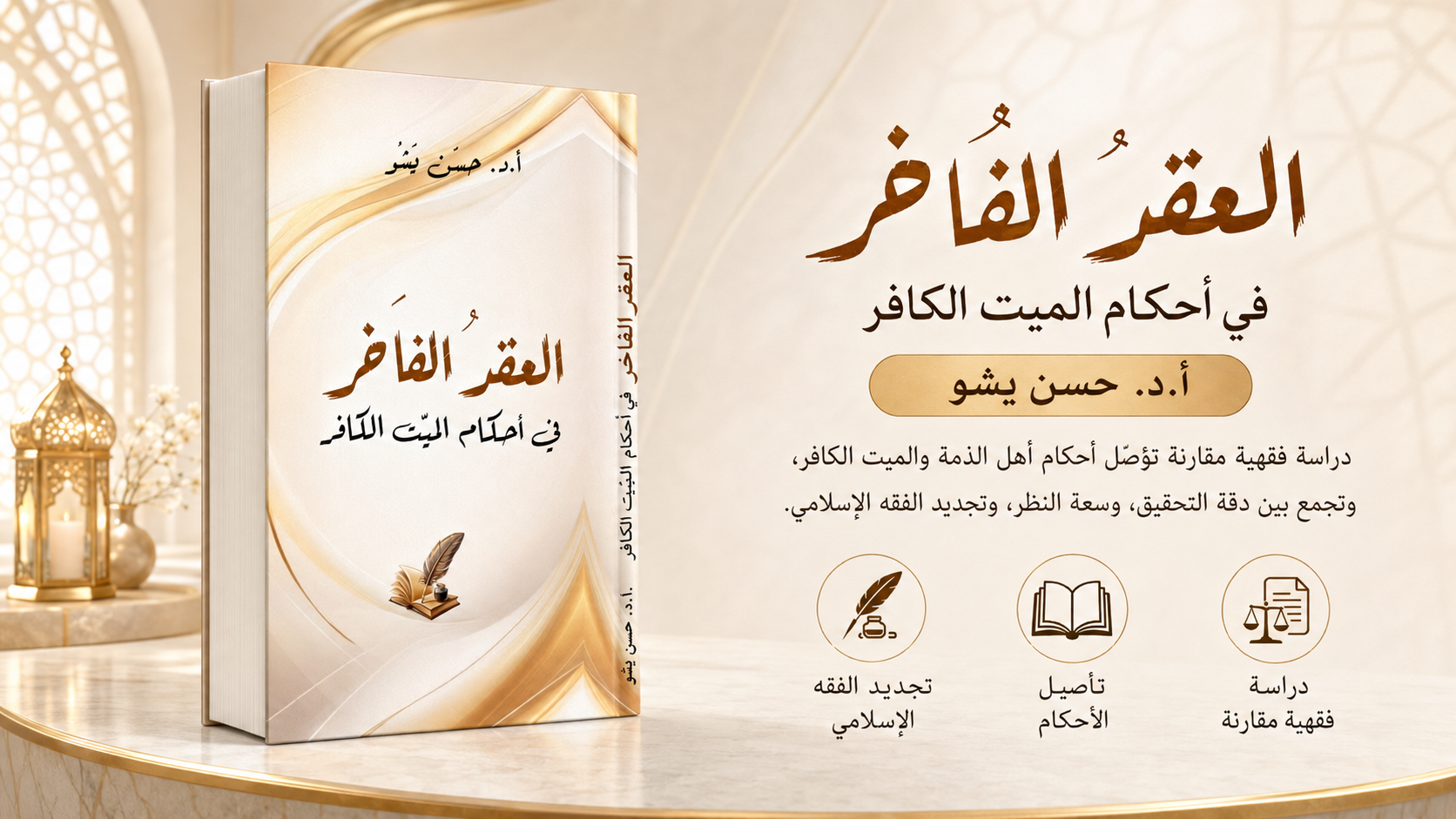
A comparative legal study of rulings concerning non-Muslims before death, during the final illness, and after death, covering visitation, funeral care, burial, condolences, bodily dignity, criminal liability, blood money, inheritance, and expiation across classical and contemporary contexts.
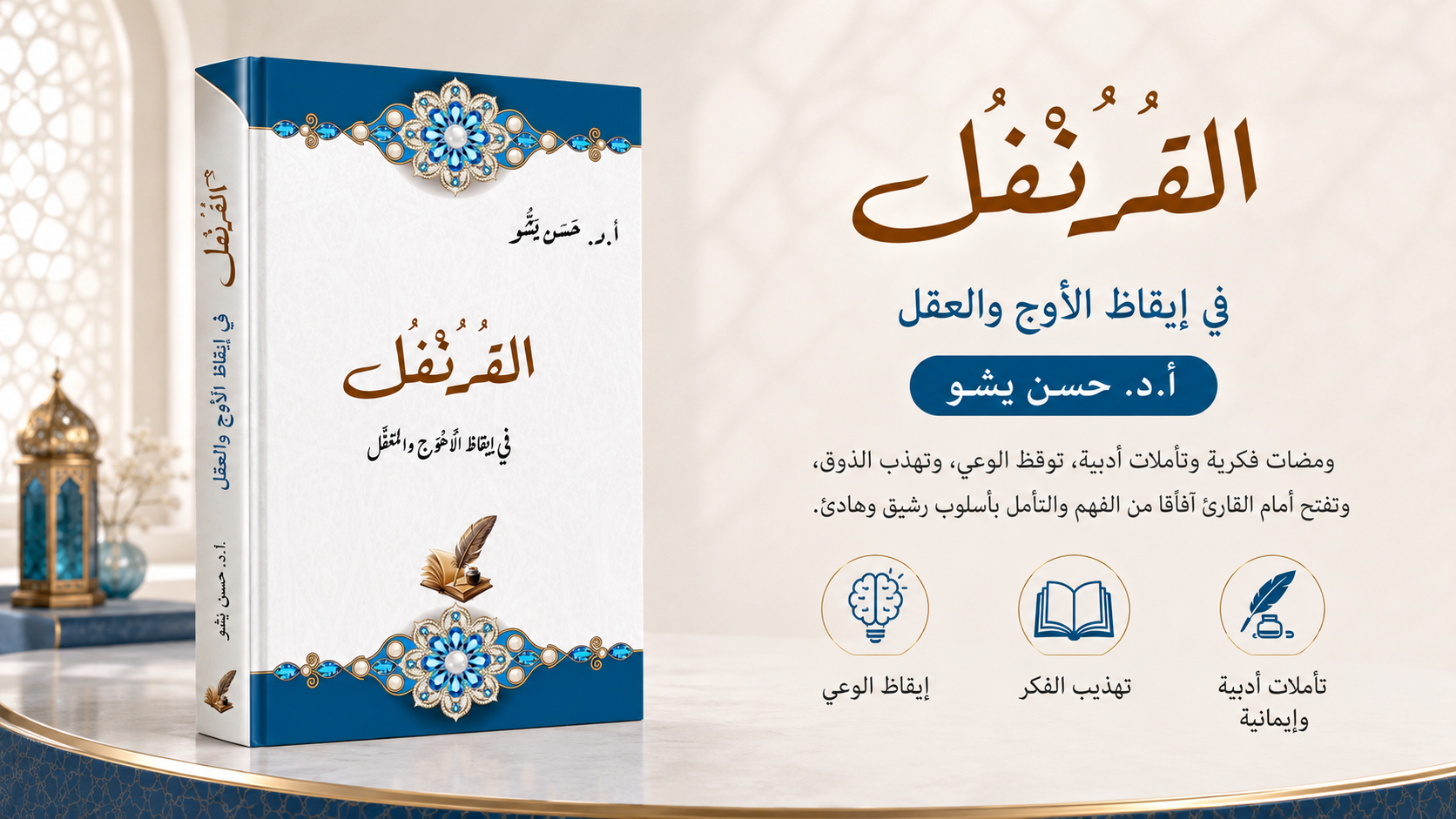
An educational collection of 500 numbered maxims drawn from experience and reflection on faith, character, relationships, trust, disappointment, patience, maturity, speech, self-respect, and the lessons of life, with the clove serving as a metaphor for cleansing the mind.
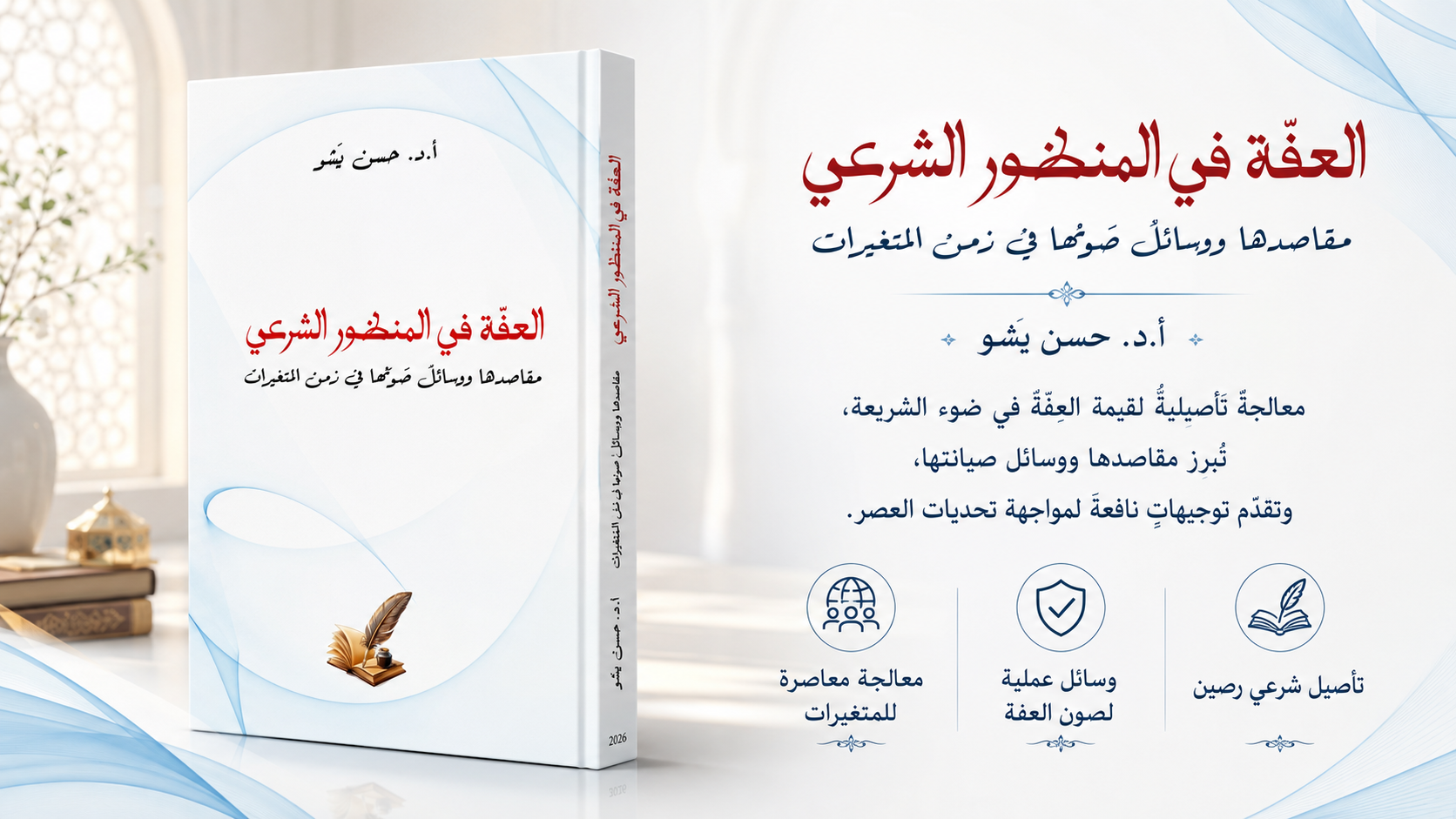
A foundational legal and educational study of chastity in the Qur’an, Prophetic Sunnah, and Islamic heritage, explaining its objectives and effects while offering practical means to preserve it amid contemporary social and media change.
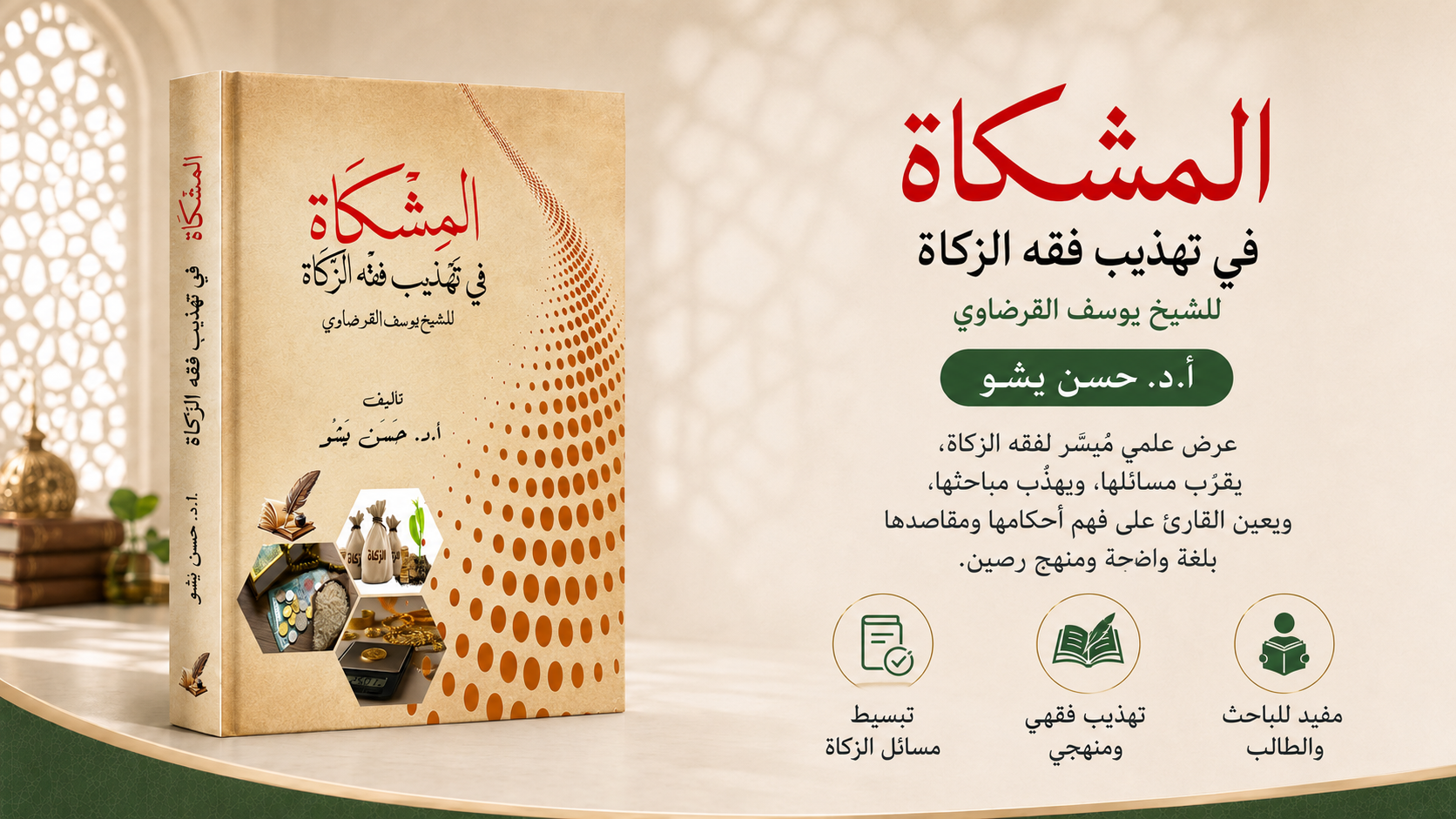
A rigorous and accessible refinement of Sheikh Yusuf al-Qaradawi’s landmark Fiqh al-Zakat, presenting its principal rulings, contemporary updates, legal objectives, modern measurements, and practical tables for students and researchers in Islamic economics.