Academic Seminar: Organising and Managing Time in the Life of a Muslim
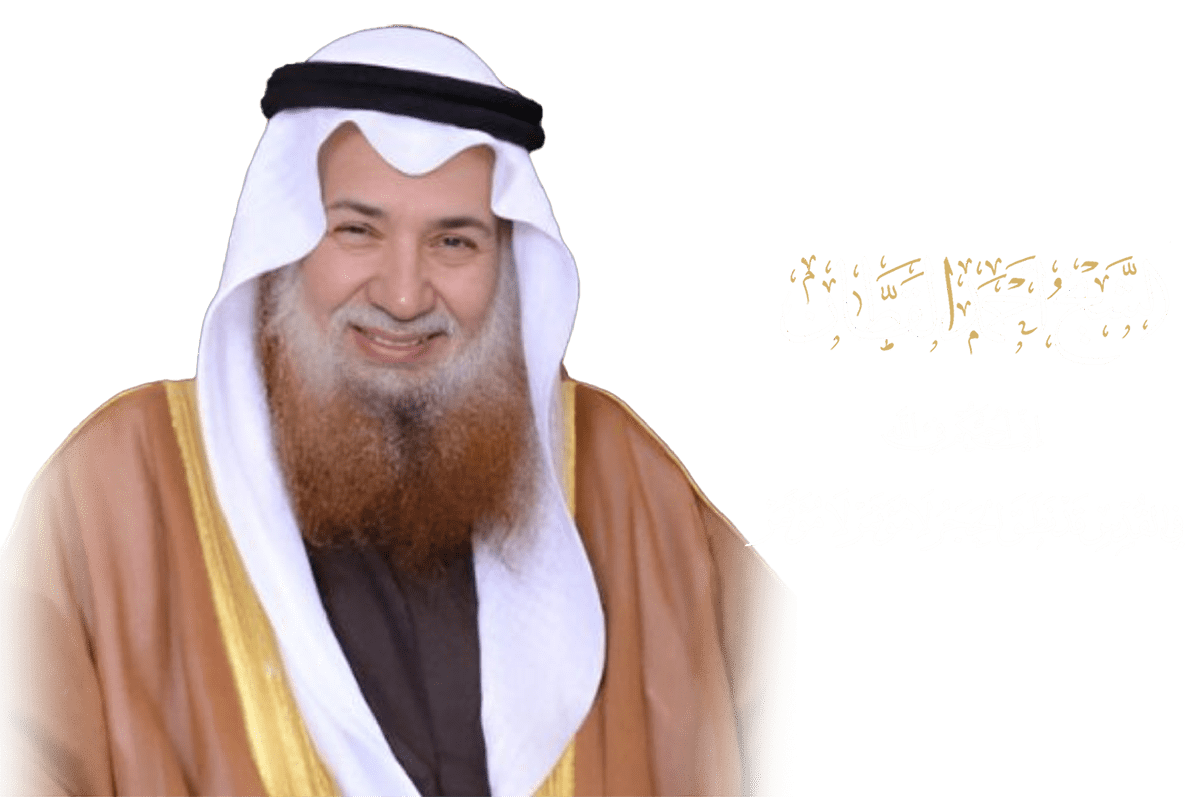
The Centre for Human and Social Studies and Research hosted a seminar led by Professor Hassan Yachou on the value of time in Islam, Prophetic guidance, inspiring examples from early Muslim scholars, and contemporary causes of wasted time.
Citation preview:
أكاديميمركز الدراسات والبحوث الإنسانية والاجتماعية تأطير: حسن يشو (2026). Academic Seminar: Organising and Managing Time in the Life of a Muslim. مركز الدراسات والبحوث الإنسانية والاجتماعية (CERHSO).. https://www.cerhso.com/%D8%AA%D9%86%D8%B8%D9%8A%D9%85-%D8%A7%D9%84%D9%88%D9%82%D8%AA-%D9%88%D8%A5%D8%AF%D8%A7%D8%B1%D8%AA%D9%87-%D9%81%D9%8A-%D8%AD%D9%8A%D8%A7%D8%A9-%D8%A7%D9%84%D8%A5%D9%86%D8%B3%D8%A7%D9%86-%D8%A7%D9%84/](https://www.cerhso.com/%D8%AA%D9%86%D8%B8%D9%8A%D9%85-%D8%A7%D9%84%D9%88%D9%82%D8%AA-%D9%88%D8%A5%D8%AF%D8%A7%D8%B1%D8%AA%D9%87-%D9%81%D9%8A-%D8%AD%D9%8A%D8%A7%D8%A9-%D8%A7%D9%84%D8%A5%D9%86%D8%B3%D8%A7%D9%86-%D8%A7%D9%84/
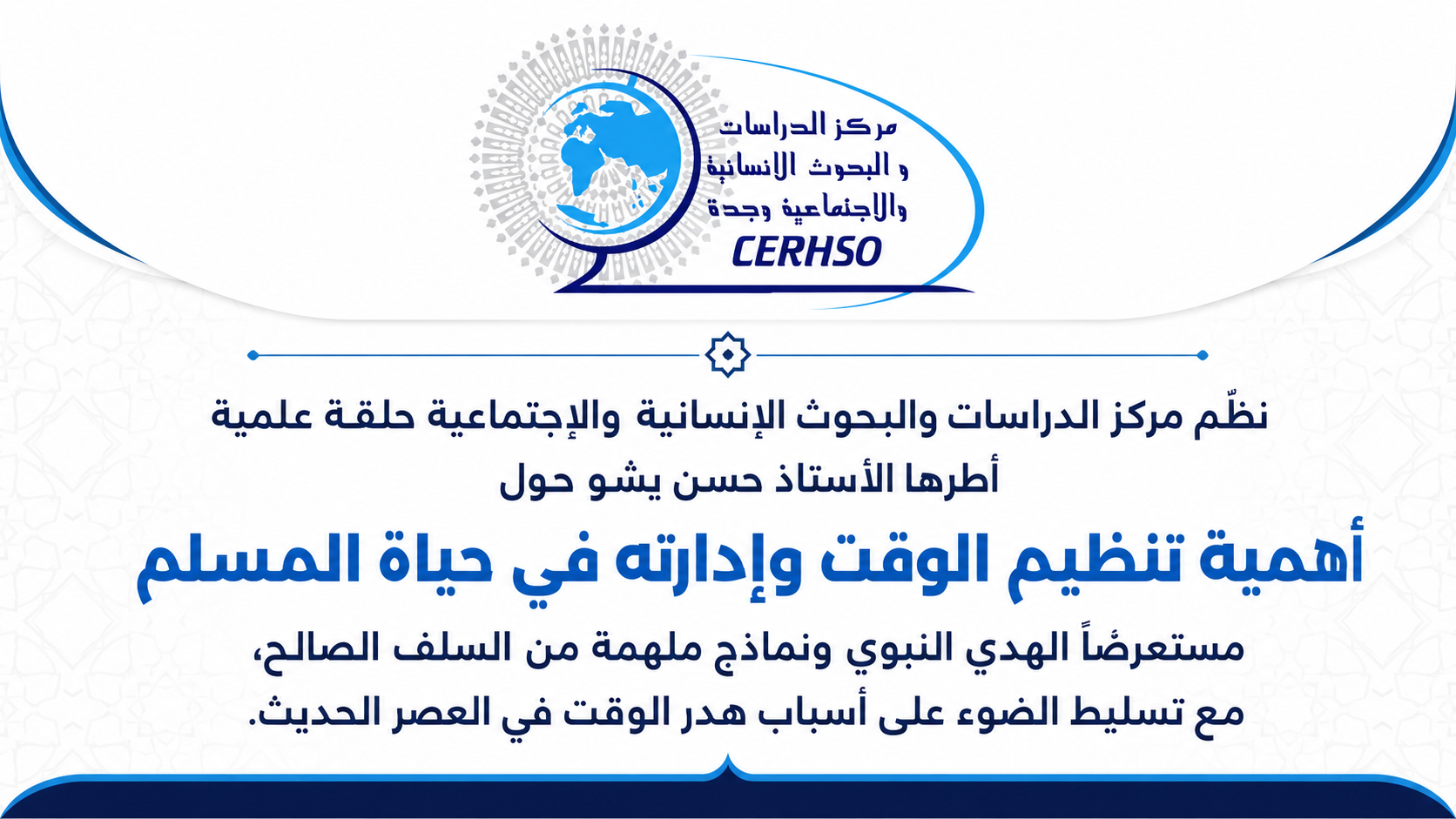
The Centre for Human and Social Studies and Research organised a distinguished academic seminar on “Organising and Managing Time in the Life of a Muslim”, led by Professor Hassan Yachou of the Faculty of Arts and Humanities at Mohammed First University in Oujda.
The importance of time from an Islamic perspective
Professor Yachou opened his lecture by emphasising the immense value of time in a Muslim’s life. He noted that Allah swears by units of time in several Qur’anic passages, including the morning brightness, the afternoon, and the dawn. Drawing on the explanations of linguists, he stated that an oath by something points to its great significance. He also recalled the attention that early Muslim scholars paid to this subject, including Ibn al-Qayyim’s work on the oaths of the Qur’an.
The lecturer discussed the meanings of the word al-‘asr, summarising scholarly opinions under two headings:
- The broad meaning: it may refer to time in general, as reported from Ibn ‘Abbas, or to the era of the Prophet ﷺ.
- The restricted meaning: some scholars understand it as the late part of the day, while others interpret it as the afternoon prayer.
He also cited Prophetic guidance on making good use of time, including the well-known Hadith narrated by Ibn ‘Abbas: “There are two blessings in which many people incur loss: health and free time.” Time is a divine blessing that many people fail to use well; a person may be active in many areas yet suffer a serious loss through wasted hours.
Disorder in the use of time: causes and contemporary challenges
The lecture then reviewed modern contributions to the subject, including Muhammad Nuh’s book The Disorder of Time, which identifies several causes of wasted time:
- The surrounding environment, which may make a person indifferent to the value of time.
- The family, whose positive or negative influence shapes a person’s awareness of time.
- Friends and companions, who may decisively encourage productive use of time or contribute to wasting it.
Inspiring examples from early Muslim scholars
Professor Yachou concluded by presenting examples from the lives of early Muslims and scholars who were careful to benefit from even the shortest periods of free time. He referred to the story of al-Fath ibn Khaqan during the reign of the Abbasid caliph al-Mutawakkil and to Hammad ibn Abi Salama, whose life was devoted to prayer, remembrance, reading, and writing, and who died while performing prayer.
The seminar ended with an open discussion and questions from researchers, and the proceedings concluded at 5:30 p.m.
Source documentation: Centre for Human and Social Studies and Research (CERHSO) — Organising and Managing Time in the Life of a Muslim
Related Newss
A focused summary of key insights from Professor Hassan Yachou’s course on the principles of Qur’anic exegesis, covering Qur’anic sciences, the relationship between Sunnah and the Qur’an, and principles of academic research.
An inspiring essay by Professor Hassan Yachou presenting calmness as a moral strength and practical path to sound judgment, resilience, and serenity through knowledge, patience, gentleness, consultation, and optimism.